

AI Hackathon
from €15,000 · 2 build days · closing day
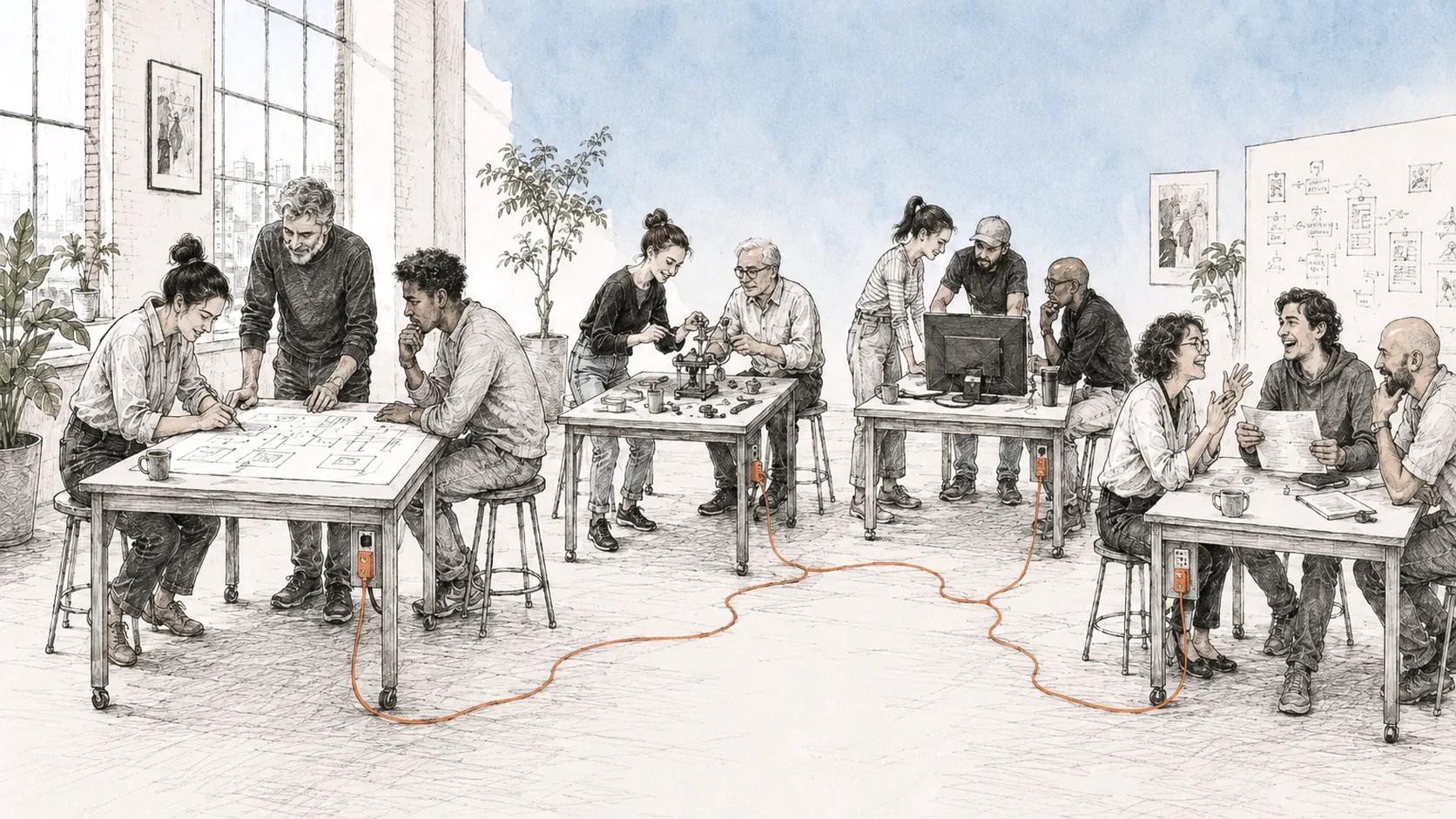
In two build days and a closing day your own people build working AI tools for their own work.
We facilitate and build alongside them. What your people build, they use in their own work the next day.
1+
working automation per team, at least
2-3
per team, business and IT together
Updated 23 October 2026
Delivered at
 Six working prototypes in two days, three went to production
 Five management teams each built their own digital competitor in a day
Is this for you?
Yes, if...
- You want AI to land in working tools, not in awareness
- You want your people to learn to build themselves
- You want proof and momentum before committing to a longer programme
No, if...
- You already know exactly what to automate and want it in production nowStraight to the Kickstart →
- Your team has no technical affinity yet and needs the basics firstSee Working with agents →
From 25 developers to 3 applications in production
This is how it went at Euphoria Mobility. Two build days on their own data: more than 100,000 rides, 500 vehicles and more than 1,000 drivers.
25
developers took part
6
teams, each with its own business question
6
working prototypes after two days
3
applications went into production
The hackathon also produced an AI assistant that makes more than 240,000 Zendesk tickets searchable for the operations team. Read the Euphoria case
What you get out of it
Two build days on site
A SPAIK facilitator and a builder are both there on both days. Teams of two to three, with the owner of the problem in the team.
Your own use cases, your own data
We build in your environment and tooling, whether that is Copilot and Azure or something else. What gets built is yours.
Around three working tools
By the end of day two they are 80 to 90 percent done, with documentation per tool: manual, prompts, templates.
A closing day and a plan for what follows
Between the build days and the closing day teams apply the tools to real work, with remote support. On the closing day you show what runs and which department is next.
How it works
- 01
Intake
Which processes, which people, which constraints. In a regulated environment we arrange dev laptops and synthetic data up front.
- 02
Build day 1
A short AI intro with demos, then picking opportunities and forming teams. The rest of the day is spent building.
- 03
Build day 2 and the weeks after
Building until the tools work. After that teams apply them to real work, with remote support from SPAIK.
- 04
Closing day
Demos of what runs, what it delivered, and the choice of which department or use case comes next.
What it costs
- Facilitator and builder, every dayUp to four teams a pair is enough. Above that a builder joins per two extra teams, and the price moves with it.
- Documentation per tool builtManual, prompts and templates, so your team can carry on without us.
- Support between the build days and the closing dayTeams apply the tools to real work and can reach us during that period.
A single day with just the leadership team also works: build your own competitor, €9,500 including a return day after two weeks.
Our promise
At least 1 working automation per team, built on your own work

“Our developers built in hours what would normally take weeks. Even the skeptics became enthusiastic. No theory, just building. Two days later: 6 working prototypes.”
A hackathon gives you proof and momentum. If you then want one process in production with a business case underneath it, the Kickstart is the next step. More about Kickstart
Frequently asked questions about the AI Hackathon
From €15,000. That includes two on-site build days with a facilitator and a builder from SPAIK, remote support in between, and a closing day.
Teams of two to three people per use case, business and IT together, with the owner of the problem on the team. Technical affinity helps, but what matters is people who want to improve their own work.
Then we set that up in advance: dev laptops, synthetic data and a human in the loop. We build within your guardrails and in your own tooling, whether that is Copilot and Azure or something else.
On the closing day you choose which department or use case goes next. If you then want to take one process into production with a business case behind it, the Kickstart is the next step. We only run a hackathon when that path exists.
Do more with the same people. Where do you start?
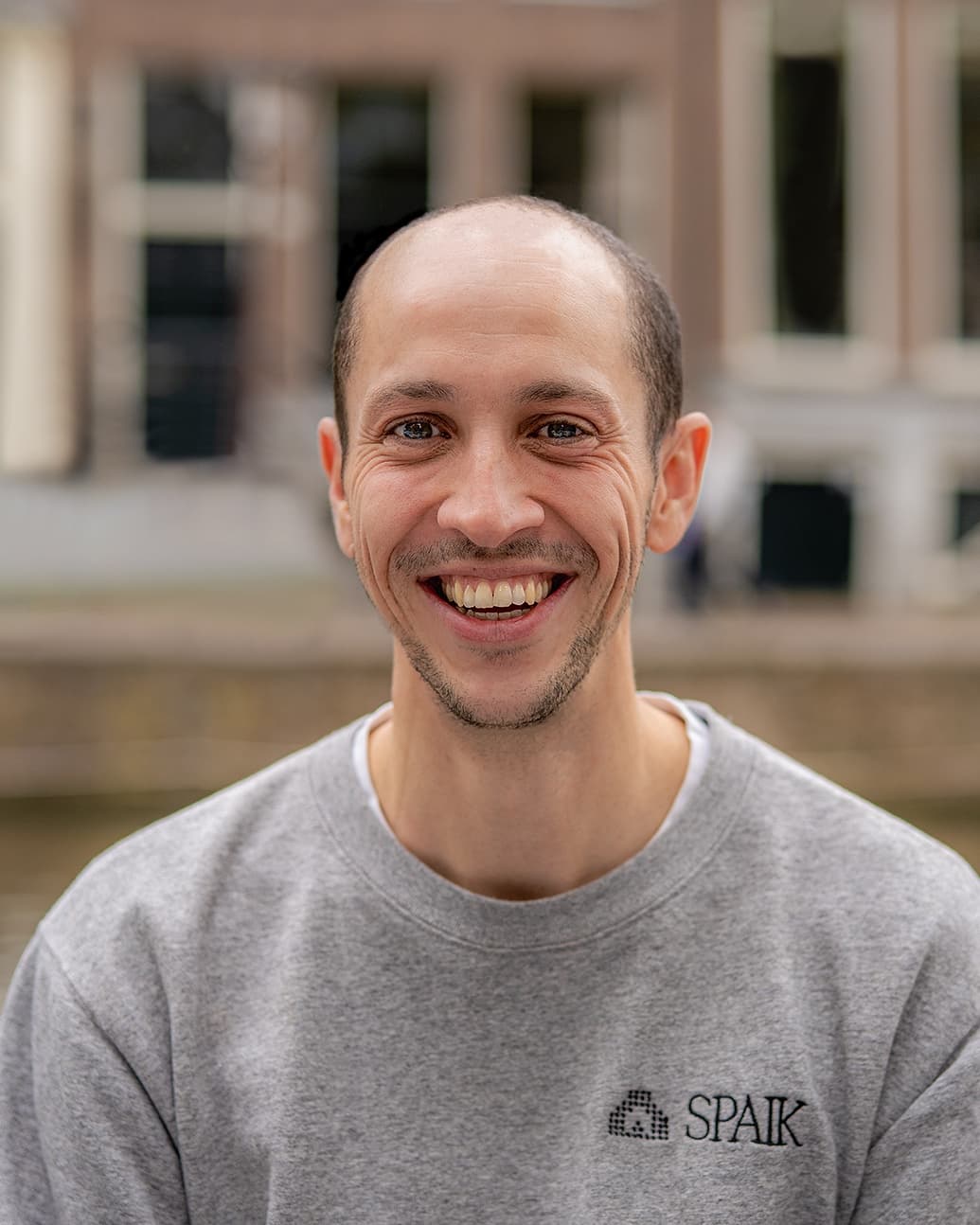
Book half an hour with Jochem. After that you know where you can start and what it brings your people.